2025 Annual Impact Overview – Ecuador
2025 Annual Impact Overview – Ecuador
In 2025, our work in Ecuador was implemented within a national context of approximately 18 million people, where Christianity—primarily Roman Catholicism—remains the predominant religion. The Muslim community represents a small minority, estimated at around 10,000 individuals, accounting for less than 0.06% of the total population.
Our activities during the year reflected a comprehensive and structured approach that combined institutional engagement, education, community development, and youth-focused programming.
At the institutional level, engagement with diplomatic entities—particularly through collaboration with the Egyptian Embassy—contributed to strengthening cultural dialogue and fostering international cooperation frameworks. These engagements enhanced visibility and credibility within official and diplomatic circles.
Educational initiatives formed a central pillar of operations, with daily classes and structured learning sessions delivered to different age groups. Specialized programs were also conducted in schools and universities, providing students with accurate knowledge and fostering informed dialogue within academic environments.
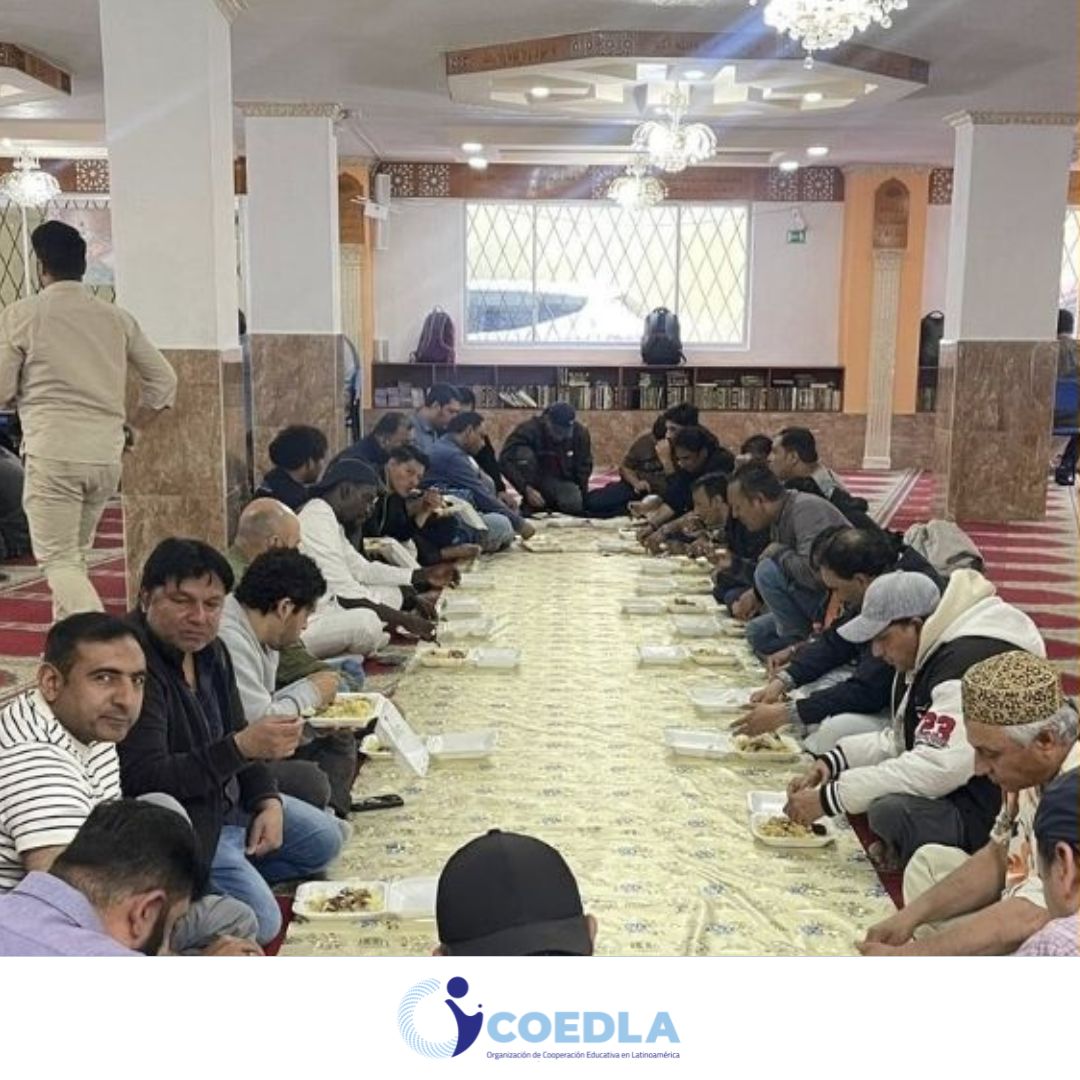
Community-centered activities played a significant role in reinforcing social cohesion. During Ramadan, large-scale Iftar gatherings and Qurbani initiatives were organized, bringing together diverse segments of the community and supporting families in need. These programs contributed to both humanitarian support and community integration.
Youth engagement remained a priority, with organized activities targeting students and young participants through educational, recreational, and sports-based programs. These initiatives helped build identity, strengthen community bonds, and provide safe and constructive environments for youth development.
Additionally, outdoor and social activities extended outreach beyond institutional settings, enabling broader public interaction and enhancing accessibility to diverse audiences.
Operating within a context where Muslims represent a very small minority, these integrated efforts contributed to strengthening institutional presence, expanding outreach, and building a sustainable and well-structured community ecosystem.
OURDIVERSE PORTFOLIO INCLUDE
Stories of impact, resilience, and transformation across the region.