Projects
OURDIVERSE PORTFOLIO INCLUDE
OURDIVERSE PORTFOLIO INCLUDE
The Food Baskets Project for Ramadan (2020) under the supervision of the Basa'ir Charitable Association.
A project focused on preparing daily iftar meals at Khalid bin Al-Waleed Mosque. This initiative aims to provide iftar for fasting individuals, including men, women, and children from the community in Ecuador. Additionally, the project extends its services to some non-Muslim residents, fostering solidarity and understanding within the local community.
Read More
Mexican Islamic Council – Integrated Community Development Initiative
The Mexican Islamic Council is a non-profit organization established in 2020 under the leadership of Dr. Mohamed Mansour, founded on a strategic vision that positions Islam as a universal and inclusive framework capable of engaging diverse societies while preserving cultural identity. The Council seeks to empower Muslim communities in Mexico and across Latin America through a comprehensive model that integrates religious guidance, social development, education, and institutional cooperation. Since its establishment, the Council has achieved significant institutional expansion, with operational branches across multiple cities in Mexico and an active presence in more than fifteen countries throughout Latin America. This regional footprint reflects a structured approach to sustainable growth, enabling the organization to operate as a hub for coordination, outreach, and community development within the region. The Council’s work is built upon several core pillars. It actively develops strategic partnerships with governmental and non-governmental entities, fostering collaboration aimed at strengthening intercultural dialogue and promoting shared values. In parallel, it implements vocational and capacity-building programs, equipping individuals with practical skills that enhance economic participation and social inclusion. In the humanitarian domain, the Council conducts regular initiatives including food distribution programs and targeted social support for vulnerable groups, particularly the elderly. These interventions are designed not only to provide immediate relief but also to reinforce community resilience and solidarity. The organization also plays a key role in cultural and intellectual dissemination through publishing, educational initiatives, and participation in academic and public platforms. Additionally, it contributes to media representation by ensuring the presence of a balanced and informed Muslim voice across various communication channels, thereby supporting accurate public understanding and engagement. Among its notable achievements, the Council has initiated the development of a central Islamic and cultural center in Mexico, envisioned as a multifunctional institution that combines worship spaces with educational and community facilities. Furthermore, it has actively supported advocacy efforts related to civil rights, including the recognition of religious identity in official documentation, reflecting its commitment to dignity, inclusion, and legal equity. Through its integrated and multi-sectoral approach, the Mexican Islamic Council positions itself as a leading institutional actor in advancing community development, intercultural understanding, and sustainable engagement across Mexico and Latin America.
Read More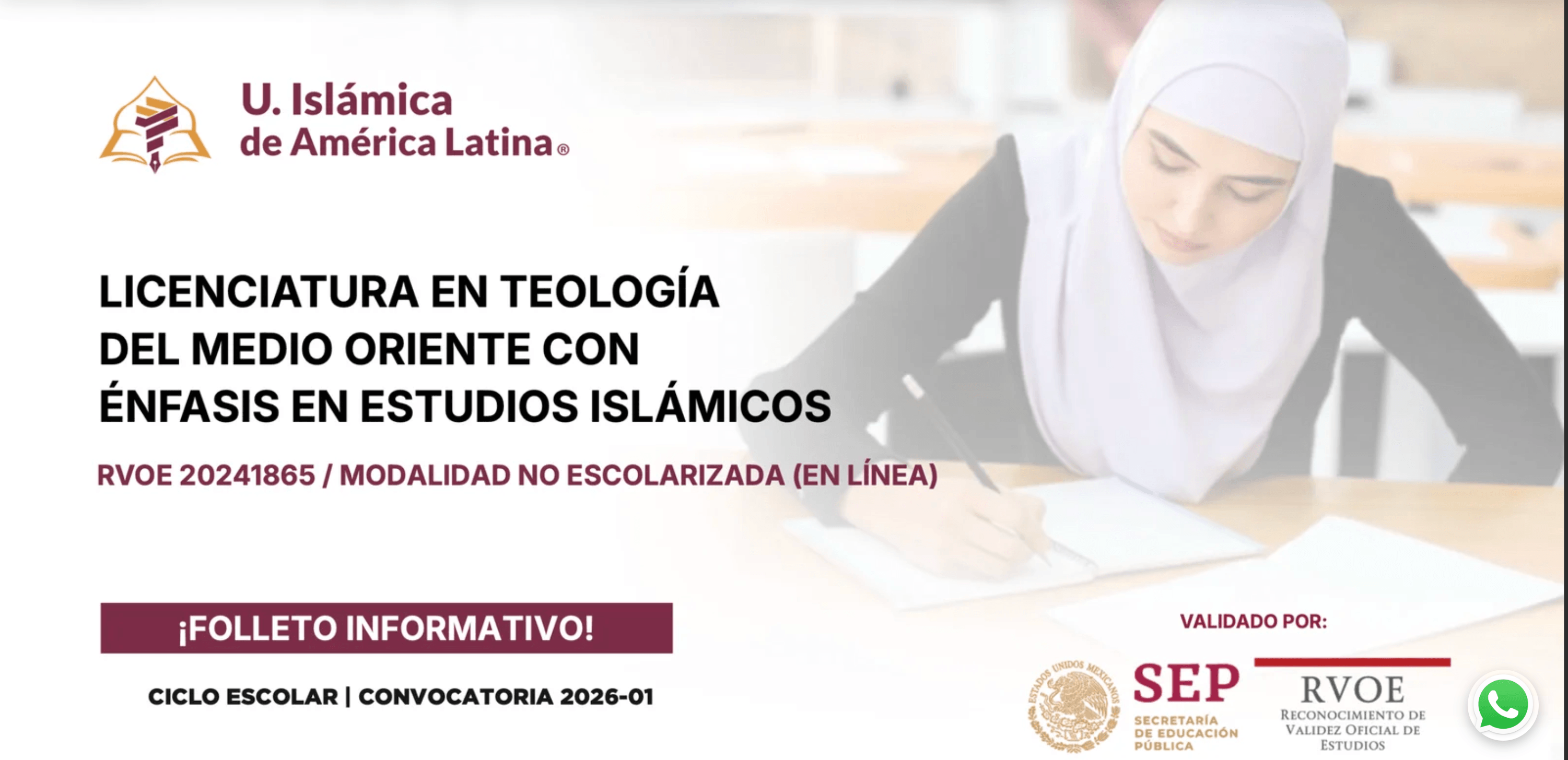
Islamic University in Latin America (UDIAL)
The Islamic University in Latin America (UDIAL) is a pioneering educational initiative aimed at providing structured, accredited higher education rooted in Islamic values and adapted to the Latin American context. As the first officially recognized Islamic university in the region, UDIAL represents a significant milestone in advancing accessible, culturally relevant academic opportunities for Muslim communities. The university offers a comprehensive academic program spanning four academic years, divided into twelve semesters. Its curriculum integrates Islamic sciences with contemporary disciplines, including Latin American history, commerce and finance, and research methodology. This multidisciplinary approach equips students with both religious knowledge and practical skills necessary for societal contribution. UDIAL delivers its programs through a combination of live and recorded lectures, alongside seminars and academic forums that foster critical thinking and scholarly engagement. Official accreditation by Mexican educational authorities (SEP & RVOE) ensures the institutional credibility and academic recognition of its degrees. Through this initiative, UDIAL contributes to the development of qualified leaders, educators, and professionals capable of positively impacting their communities while preserving their cultural and religious identity.
Read More
Digital Presence & Online Outreach
The Digital Presence & Online Outreach initiative represents a key pillar in expanding the organization’s impact beyond physical boundaries. Through a strategic and diversified digital communication approach, the project leverages social media platforms and online content to disseminate knowledge, engage audiences, and strengthen community connections at scale. The organization’s digital platforms collectively reach over 3 million followers, reflecting a strong and growing audience base. Content published across these channels has generated more than 18 million views and over 5 million annual interactions, demonstrating high engagement and sustained interest in its messaging. Video content plays a central role in this outreach strategy, with total watch time exceeding 10,000 hours, indicating deep audience engagement. This project highlights the effective use of digital tools in amplifying outreach, promoting understanding, and building meaningful connections across diverse communities.
Read More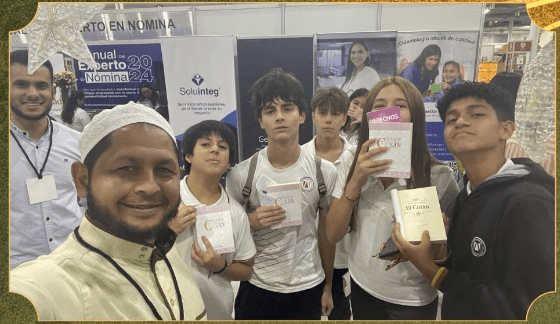
2024 Annual Impact Overview – Ecuador
In 2024, our work in Ecuador focused on delivering a holistic and impact-driven portfolio of initiatives aimed at strengthening community engagement, enhancing digital outreach, and promoting cultural understanding across diverse audiences. Our efforts combined on-the-ground community activities with a strong and expanding digital presence. Educational programs, community gatherings, and youth-focused initiatives were implemented to support knowledge development, foster identity, and encourage active participation within the local community. These initiatives created inclusive environments that enabled meaningful interaction, learning, and social cohesion. At the same time, our digital platforms played a central role in amplifying outreach and extending impact. Through strategic content creation and audience engagement, our platforms reached millions of individuals, generating significant visibility and sustained interaction. This digital ecosystem has become a key pillar in delivering accessible knowledge, strengthening communication channels, and connecting with broader audiences beyond geographic boundaries. This annual overview reflects a balanced approach that integrates community-based action with digital innovation, reinforcing long-term engagement, scalability, and sustainable impact across Ecuador.
Read More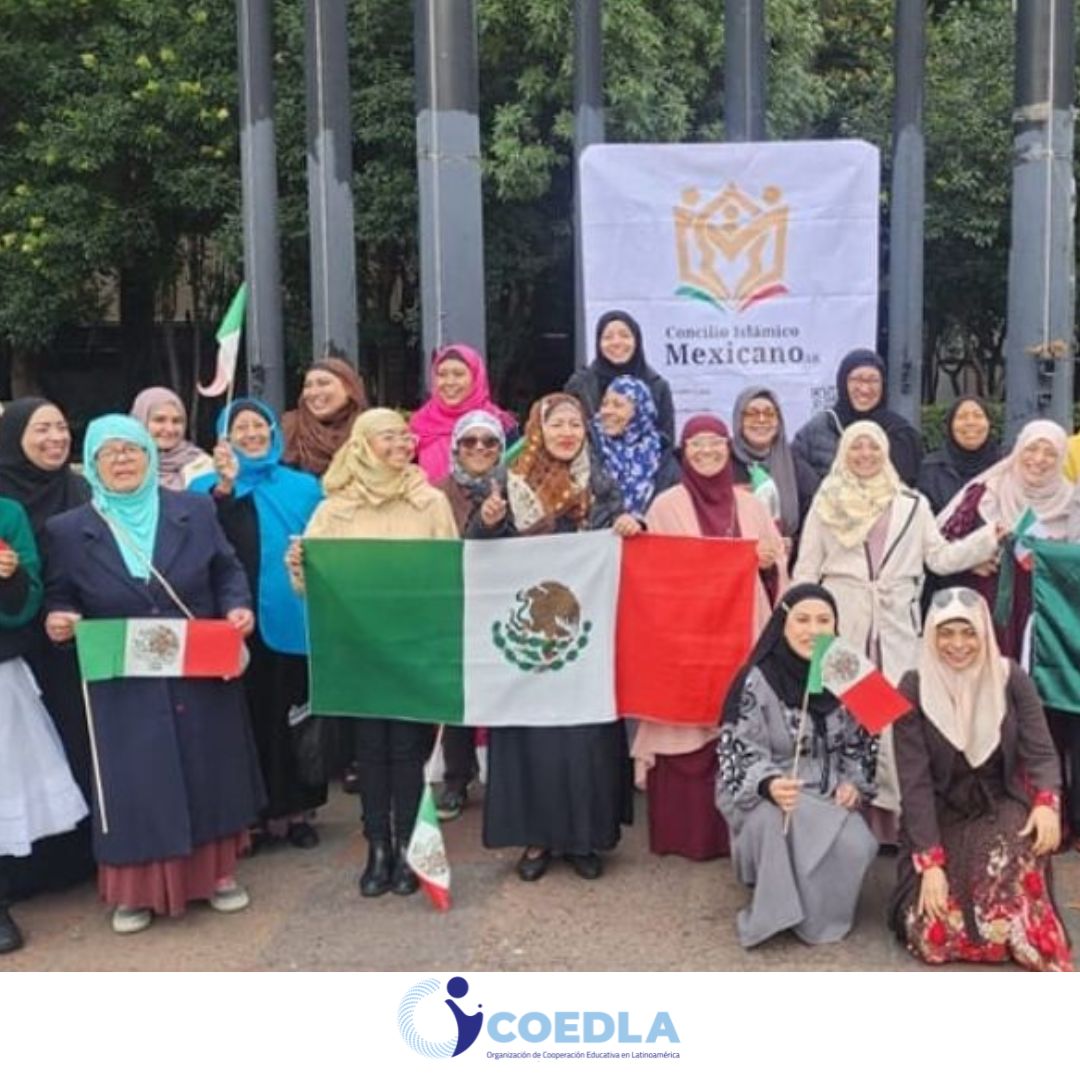
2024 Annual Impact Overview – Mexico
Throughout 2024, our work in Mexico focused on delivering a diverse and integrated portfolio of community-centered initiatives aimed at strengthening social cohesion, promoting cultural understanding, and expanding meaningful engagement across different segments of society. Our efforts spanned educational programs, youth and family activities, cultural outreach, public events, and institutional collaboration. We organized workshops, lectures, and interactive sessions designed to empower individuals with knowledge, reinforce identity, and encourage active community participation. In parallel, we facilitated community-led initiatives and social support activities that contributed to strengthening local networks and fostering a sense of belonging. The year also marked significant engagement with academic institutions and public platforms, where we contributed to dialogue, conferences, and exhibitions that highlighted the values of intercultural understanding and constructive exchange. These efforts were complemented by participation in community events, outreach initiatives, and cultural programs aimed at broadening awareness and building bridges with the wider society. This annual overview reflects a sustained commitment to impactful engagement, inclusive outreach, and long-term community development across Mexico.
Read More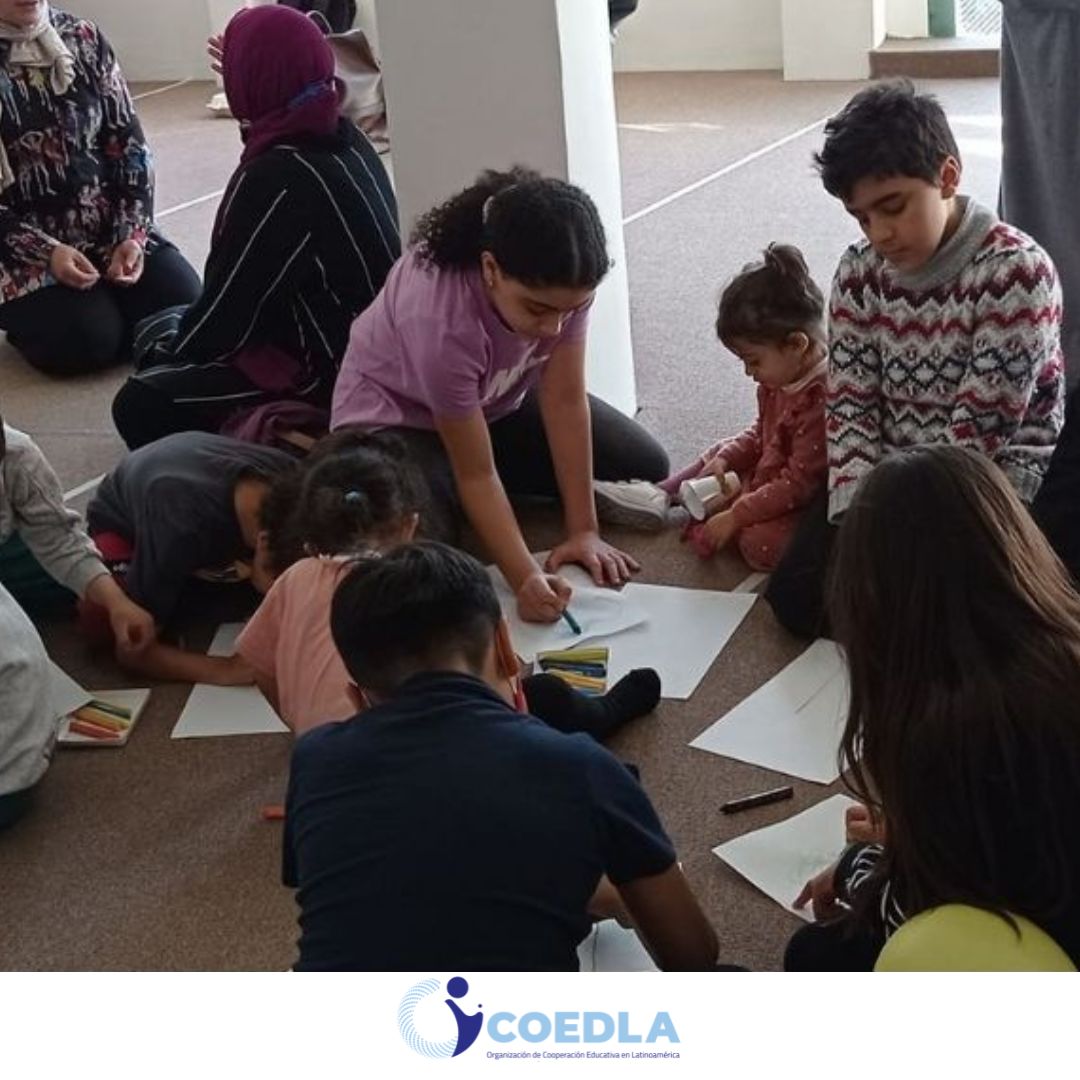
2024 Annual Impact Overview – Peru
In 2024, our work in Peru focused on strengthening intercultural dialogue, promoting peaceful coexistence, and expanding public engagement through a series of strategic initiatives and institutional collaborations. Our activities included active participation in exhibitions, conferences, and public events, where we engaged diverse audiences through educational materials, open dialogue, and community interaction. These platforms provided valuable opportunities to present authentic perspectives, foster mutual understanding, and contribute to inclusive societal discourse. A key pillar of our efforts was the advancement of interfaith dialogue and peacebuilding initiatives. Through participation in high-level forums and collaborative events, we worked alongside religious leaders, academic institutions, and civil society actors to promote shared values of coexistence, respect, and social harmony. This annual overview reflects a sustained commitment to constructive engagement, strategic outreach, and the promotion of dialogue-driven impact, contributing to stronger relationships and greater understanding within Peruvian society.
Read More
2024 Annual Impact Overview – Dominican Republic
In 2024, our work in the Dominican Republic focused on expanding public outreach, strengthening community engagement, and increasing awareness through accessible and community-centered initiatives. Our activities were primarily implemented through public exhibitions, outreach booths, and direct engagement in community spaces, where we interacted with diverse audiences and provided educational resources. These initiatives enabled open dialogue, encouraged questions, and facilitated meaningful exchanges that contributed to a better understanding of Islamic values and culture. A key component of our efforts included the distribution of educational materials and publications, ensuring that knowledge was accessible to a wide audience. In parallel, we implemented social support initiatives, including the distribution of essential food baskets, reflecting our commitment to community solidarity and humanitarian engagement. This annual overview reflects a practical and field-oriented approach, combining awareness, education, and social support to create tangible and sustainable impact within local communities across the Dominican Republic.
Read More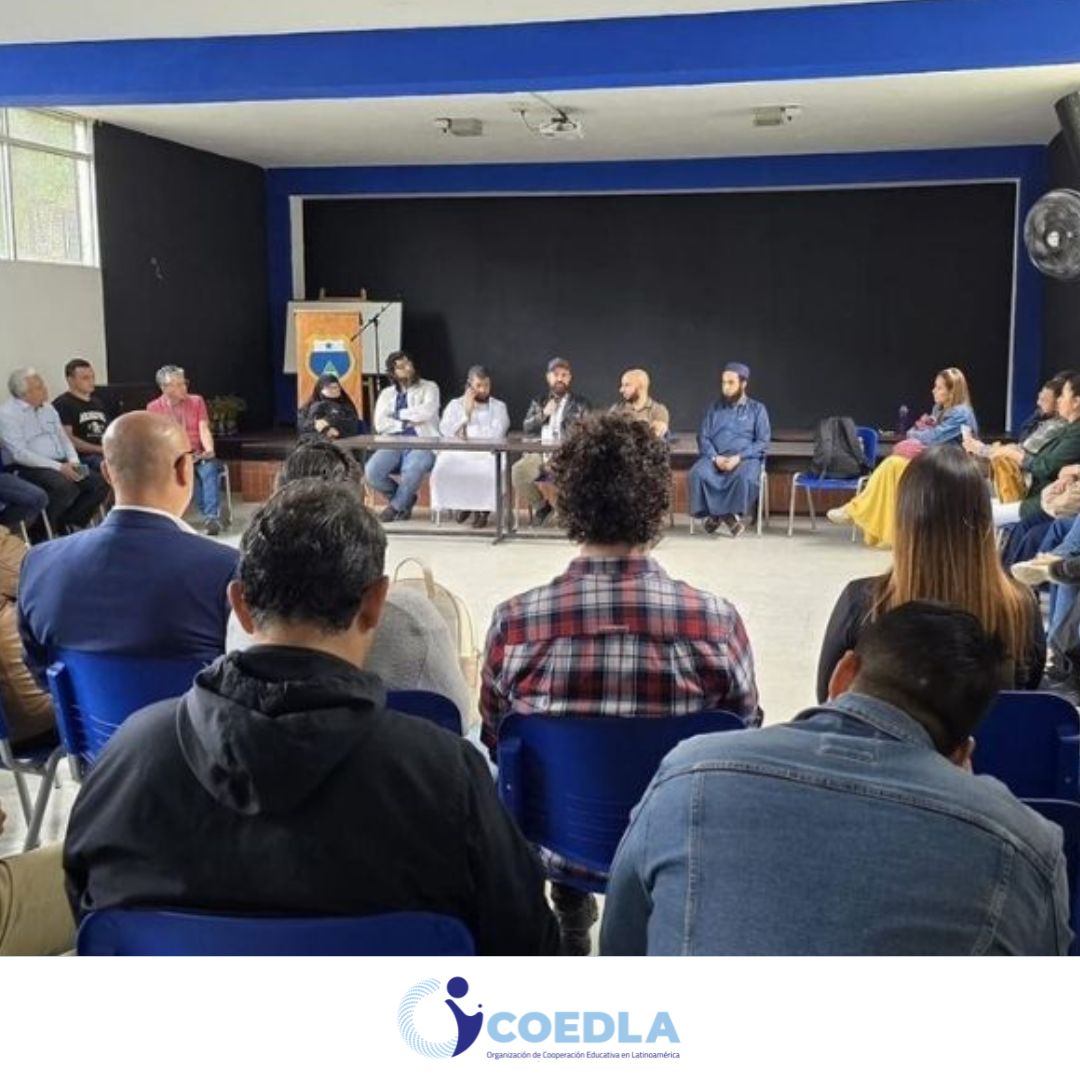
2024 Annual Impact Overview – Colombia
In 2024, our work in Colombia was defined by a comprehensive and multi-layered approach, integrating education, public engagement, institutional collaboration, and community-centered initiatives. Our educational programs formed a central pillar of our efforts, with structured courses, training sessions, and certification programs designed to serve both new learners and established community members. These initiatives contributed to building a knowledgeable and empowered local base capable of sustaining long-term development. Simultaneously, we expanded our outreach through public engagement activities, including street-level interactions, awareness campaigns, and open community dialogues. These efforts enhanced accessibility, encouraged participation, and fostered a deeper understanding of Islamic values within diverse audiences. Our presence in conferences, exhibitions, and academic forums further strengthened institutional relationships and positioned our work within broader civic and intellectual spaces. In parallel, targeted programs in schools and youth environments allowed us to engage younger generations through tailored educational and awareness activities. Community cohesion remained a key priority throughout the year. This was reflected in a variety of social initiatives, including family-oriented gatherings, community activities, and Ramadan programs such as collective Iftar events, which reinforced solidarity and social connection. This annual overview reflects a balanced and sustainable model that combines structured education, public outreach, and community engagement to generate meaningful and lasting impact across Colombia.
Read More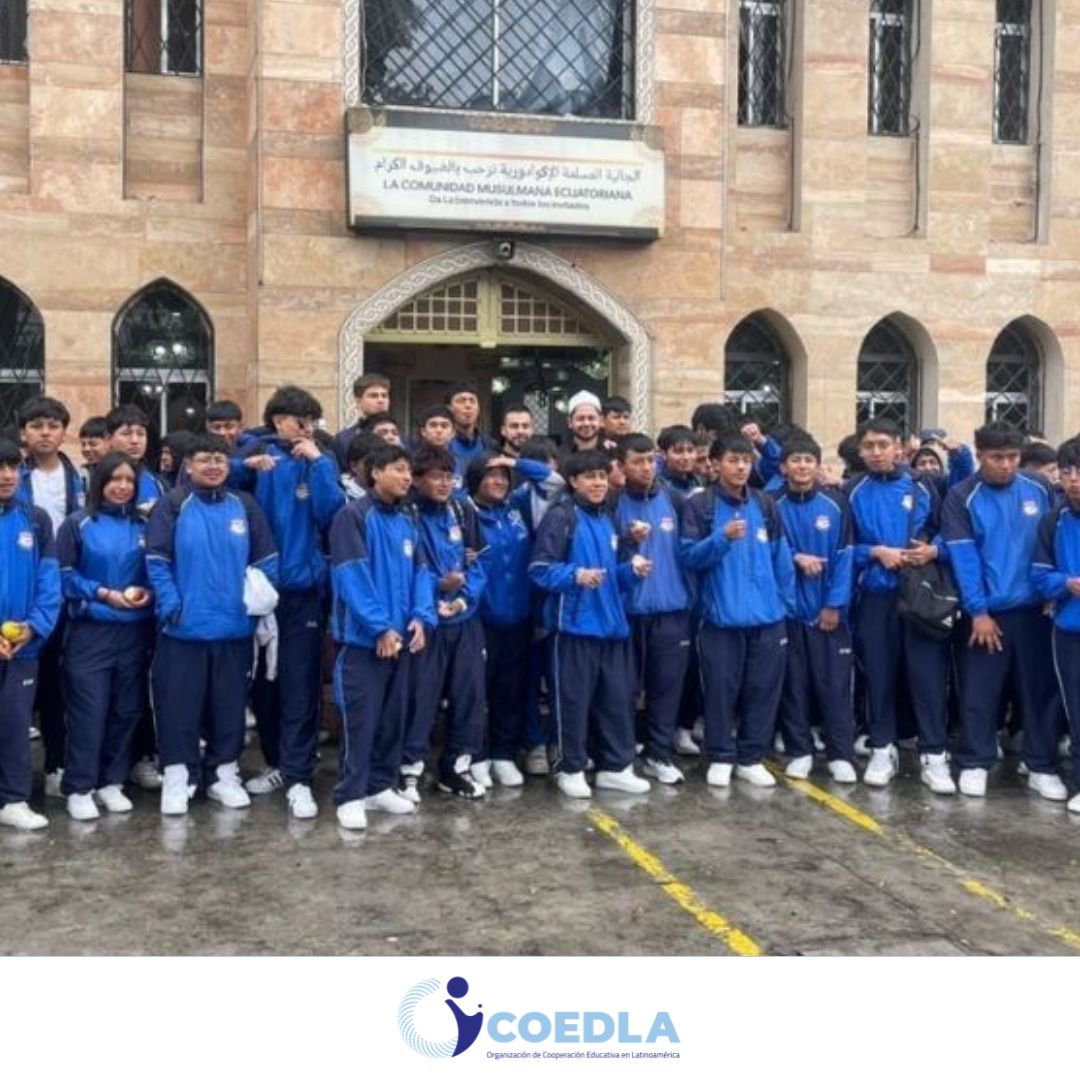
2025 Annual Impact Overview – Ecuador
In 2025, our work in Ecuador was implemented within a national context of approximately 18 million people, where Christianity—primarily Roman Catholicism—remains the predominant religion. The Muslim community represents a small minority, estimated at around 10,000 individuals, accounting for less than 0.06% of the total population. Our activities during the year reflected a comprehensive and structured approach that combined institutional engagement, education, community development, and youth-focused programming. At the institutional level, engagement with diplomatic entities—particularly through collaboration with the Egyptian Embassy—contributed to strengthening cultural dialogue and fostering international cooperation frameworks. These engagements enhanced visibility and credibility within official and diplomatic circles. Educational initiatives formed a central pillar of operations, with daily classes and structured learning sessions delivered to different age groups. Specialized programs were also conducted in schools and universities, providing students with accurate knowledge and fostering informed dialogue within academic environments. Community-centered activities played a significant role in reinforcing social cohesion. During Ramadan, large-scale Iftar gatherings and Qurbani initiatives were organized, bringing together diverse segments of the community and supporting families in need. These programs contributed to both humanitarian support and community integration. Youth engagement remained a priority, with organized activities targeting students and young participants through educational, recreational, and sports-based programs. These initiatives helped build identity, strengthen community bonds, and provide safe and constructive environments for youth development. Additionally, outdoor and social activities extended outreach beyond institutional settings, enabling broader public interaction and enhancing accessibility to diverse audiences. Operating within a context where Muslims represent a very small minority, these integrated efforts contributed to strengthening institutional presence, expanding outreach, and building a sustainable and well-structured community ecosystem.
Read More
2025 Annual Coordination Overview – Cairo (Headquarters)
In 2025, Cairo served as a central coordination hub for regional and international activities, operating within the Arab Republic of Egypt—a country of over 110 million people and a key center for institutional collaboration and Islamic scholarship. This role is reinforced by our position as an active member of the Islamic World Council for Da’wah and Relief (IICDR), under whose umbrella we operate. This affiliation enables structured coordination and direct collaboration with officially recognized organizations at both regional and international levels. Institutional engagement formed a core pillar of our work, including participation in official events, diplomatic meetings, and joint initiatives with international representatives. These efforts strengthened strategic partnerships, facilitated knowledge exchange, and supported coordinated program implementation across multiple regions. Community-oriented programs were also implemented, including Ramadan Iftar gatherings, which brought together families, community members, and international participants, reinforcing social cohesion and shared humanitarian values. Educational and cultural initiatives were delivered through workshops and interactive sessions, including programs tailored for women and families, contributing to knowledge dissemination within an inclusive and structured environment. Cairo also hosted Latin American community gatherings, further reflecting its role as a global meeting point that connects diverse communities and supports cross-cultural engagement. Through this integrated approach, Cairo’s role extended beyond local activities to strategic coordination, institutional partnership development, and regional impact facilitation.
Read More
2025 Annual Impact Overview – Peru
In 2025, our work in Peru was carried out within a national context of approximately 34 million people, where Christianity—primarily Roman Catholicism—represents the dominant religious affiliation. The Muslim community remains a small minority, estimated at around 3,000–5,000 individuals, highlighting the importance of structured outreach and educational engagement. Our activities focused on three main pillars: public outreach, education, and institutional collaboration. Public outreach initiatives played a central role, including awareness sessions and introductory programs about Islam, delivered to diverse audiences. These activities enabled direct engagement with communities and contributed to increasing understanding through open dialogue and accessible communication. Educational programs were implemented through structured courses and training sessions, targeting both new audiences and members of the local community. These initiatives aimed to provide accurate knowledge and build sustainable learning environments. Institutional engagement was further strengthened through participation in formal events and collaborative programs, including activities held in cooperation with recognized entities. These engagements enhanced credibility, expanded networks, and supported coordinated efforts within the country. Community-focused initiatives included Ramadan Iftar gatherings, bringing together individuals and families in a shared environment that promotes social cohesion and cultural exchange. Operating within a context where Muslims represent a very small minority—less than 0.02% of the population—these integrated efforts contributed to expanding outreach, strengthening institutional presence, and supporting the development of a structured and sustainable community.
Read More
2025 Annual Impact Overview – Dominican Republic
In 2025, our activities in the Dominican Republic were implemented within a national context of approximately 11 million inhabitants, where Christianity—primarily Catholicism—represents the dominant religion. The Muslim community remains a small minority, estimated at around 4,000–6,000 individuals, concentrated mainly in urban areas. Our work focused on structured community engagement through three main areas: center-based activities, humanitarian support, and public engagement. Center activities formed a key operational pillar, including regular educational sessions, community gatherings, and guided discussions, providing a stable environment for learning and interaction. These activities contributed to strengthening internal cohesion and supporting consistent engagement throughout the year. Humanitarian efforts included the distribution of food baskets (sallal ghitha’iya), targeting families in need. These initiatives were implemented through organized distribution mechanisms, ensuring efficient delivery and direct community impact. Public engagement was further expanded through participation in conferences, exhibitions, and awareness events, reaching broader audiences and enhancing visibility. These platforms enabled structured dialogue and facilitated outreach beyond the immediate community. In a national context where Muslims represent a very small fraction of the population, these integrated activities contributed to expanding outreach, strengthening community presence, and improving organizational impact across multiple sectors.
Read More
Average Quarterly Statistics for Selected Projects
These statistics reflect the scale of outreach and educational efforts implemented across several countries in Latin America. The programs include a range of activities such as introducing Islam, educational courses, academic lectures, as well as exhibitions and conferences, all contributing to reaching broad segments of society and increasing awareness about Islam. In Mexico, the number of beneficiaries of educational courses ranges between 35,000 and 50,000 per quarter, while the number of individuals introduced to Islam ranges between 120,000 and 150,000 people. Academic lectures reach between 30,000 and 35,000 students, and exhibitions and conferences attract between 45,000 and 50,000 participants. In Ecuador, educational programs reach between 8,000 and 12,000 beneficiaries, while those introduced to Islam range between 19,000 and 24,000 people. Academic lectures target between 20,000 and 25,000 students, and exhibitions and conferences attract between 22,000 and 26,000 participants. In Peru, educational courses reach between 8,000 and 12,000 beneficiaries, while outreach activities introduce Islam to between 14,000 and 19,000 people. Academic lectures engage between 9,000 and 14,000 students, and exhibitions and conferences attract between 11,000 and 15,000 participants. In the Dominican Republic, educational programs reach between 10,000 and 15,000 beneficiaries, while outreach activities introduce Islam to between 15,000 and 20,000 people. Academic lectures target between 11,000 and 16,000 students, and exhibitions and conferences attract between 13,000 and 18,000 participants. In Colombia, educational programs reach between 15,000 and 18,000 beneficiaries, while outreach activities introduce Islam to between 16,000 and 21,000 people. Academic lectures engage between 13,000 and 18,000 students, and exhibitions and conferences attract between 15,000 and 20,000 participants.
Read More