2025 Annual Impact Overview – Peru
2025 Annual Impact Overview – Peru
In 2025, our work in Peru was carried out within a national context of approximately 34 million people, where Christianity—primarily Roman Catholicism—represents the dominant religious affiliation. The Muslim community remains a small minority, estimated at around 3,000–5,000 individuals, highlighting the importance of structured outreach and educational engagement.
Our activities focused on three main pillars: public outreach, education, and institutional collaboration.
Public outreach initiatives played a central role, including awareness sessions and introductory programs about Islam, delivered to diverse audiences. These activities enabled direct engagement with communities and contributed to increasing understanding through open dialogue and accessible communication.
Educational programs were implemented through structured courses and training sessions, targeting both new audiences and members of the local community. These initiatives aimed to provide accurate knowledge and build sustainable learning environments.
Institutional engagement was further strengthened through participation in formal events and collaborative programs, including activities held in cooperation with recognized entities. These engagements enhanced credibility, expanded networks, and supported coordinated efforts within the country.
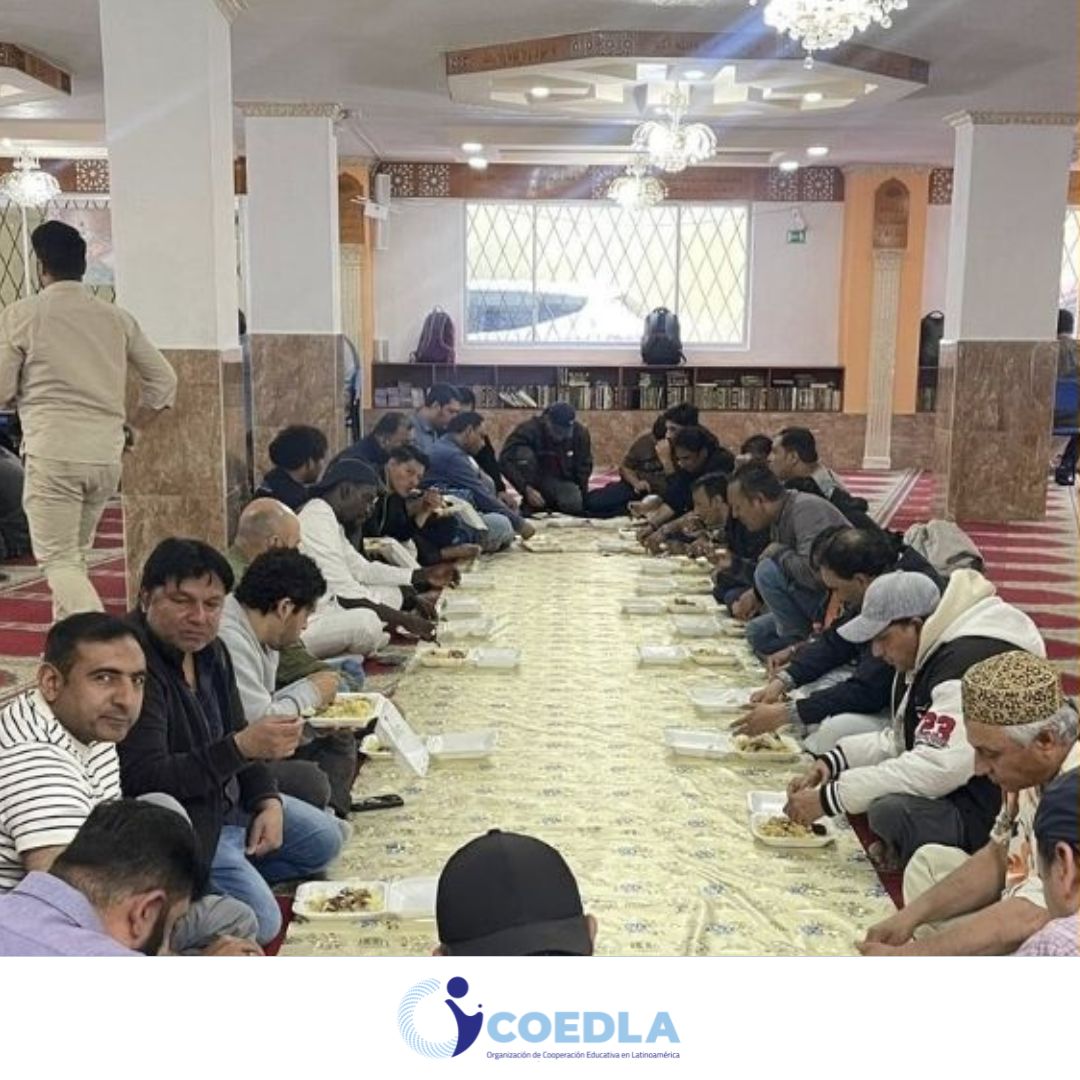
Community-focused initiatives included Ramadan Iftar gatherings, bringing together individuals and families in a shared environment that promotes social cohesion and cultural exchange.
Operating within a context where Muslims represent a very small minority—less than 0.02% of the population—these integrated efforts contributed to expanding outreach, strengthening institutional presence, and supporting the development of a structured and sustainable community.
OURDIVERSE PORTFOLIO INCLUDE
Stories of impact, resilience, and transformation across the region.